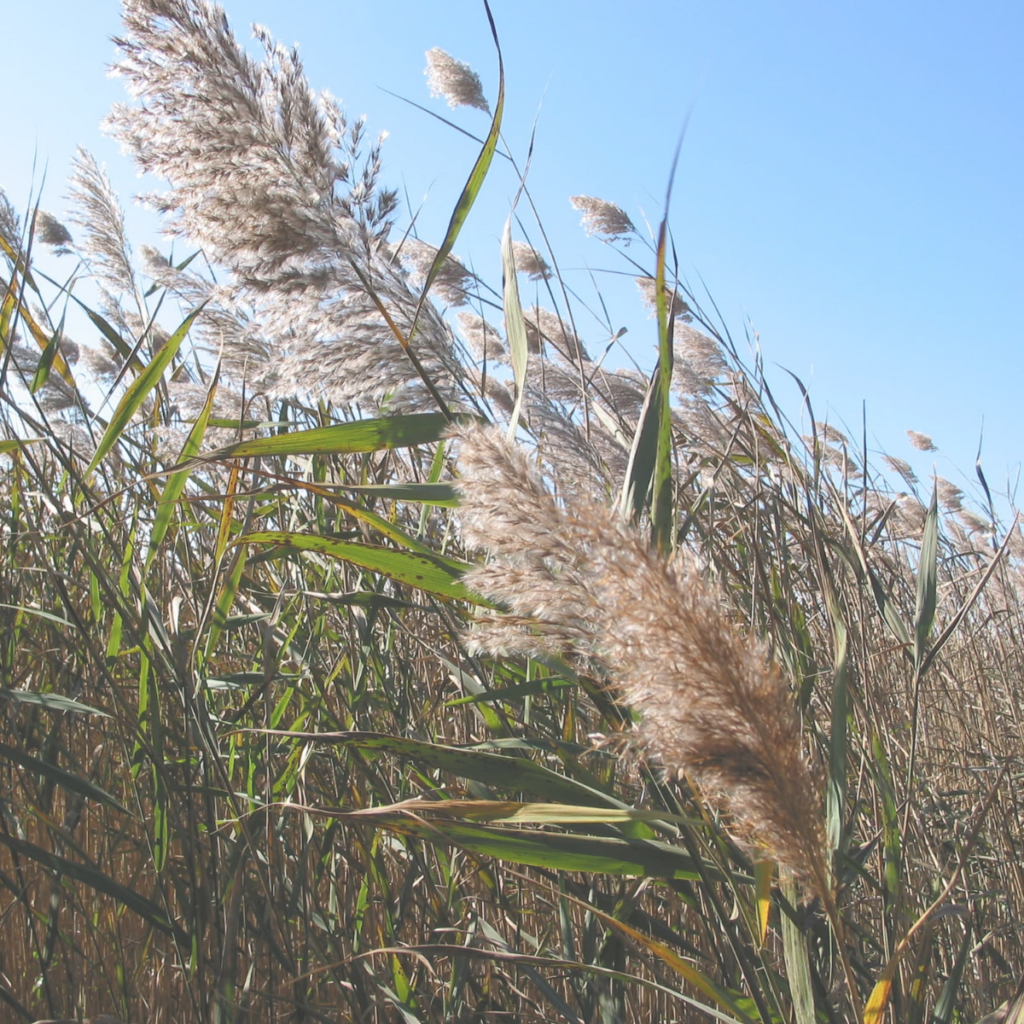
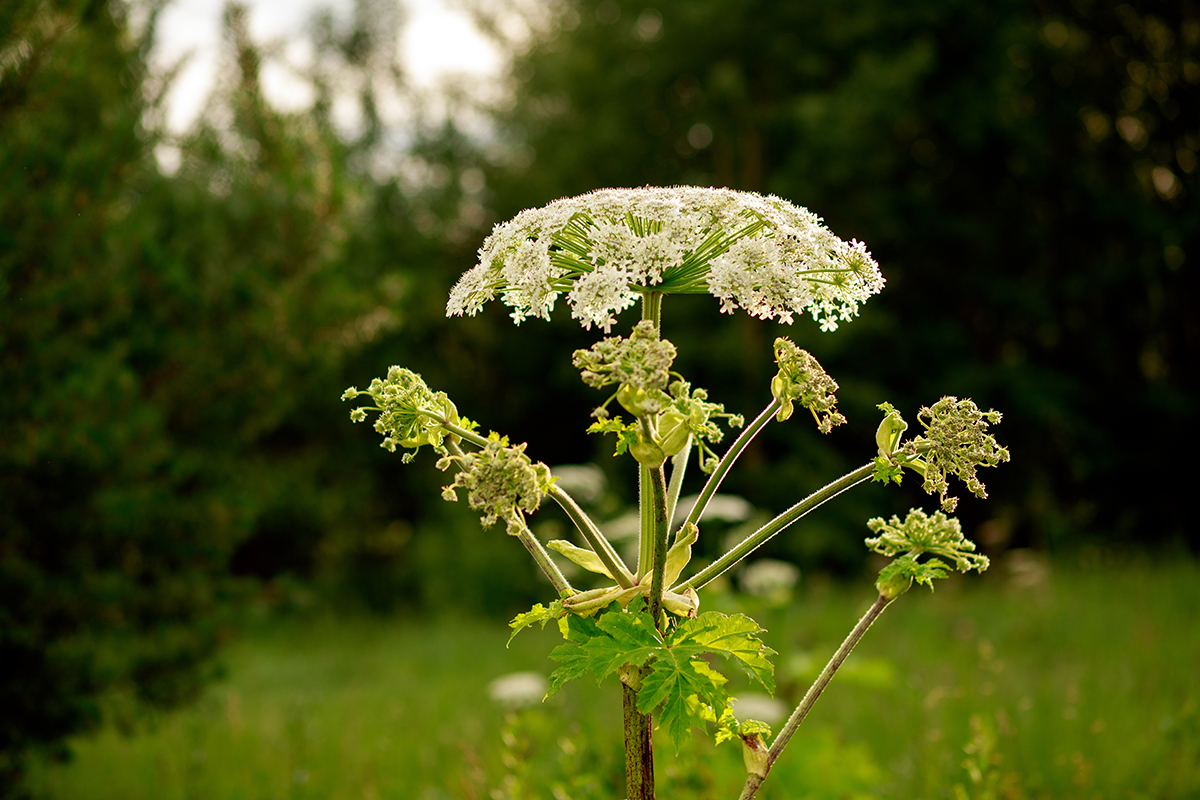
Invasive species are non-native plants, animals, insects, and aquatic organisms that can cause harm to the environment, economy, agriculture, and human health. Once established, invasive species often spread rapidly, outcompete native species, degrade habitats, reduce biodiversity, and can be costly and difficult to control.
In Putnam County, invasive species threaten forests, wetlands, lakes, streams, farms, and residential landscapes. Early detection and rapid response are critical to preventing new infestations and limiting their impacts.
The Putnam County Soil & Water Conservation District works with landowners, municipalities, lake associations, partner agencies, and community organizations to promote invasive species awareness, prevention, identification, and management. Through education, outreach, and technical assistance, we help residents protect local natural resources and prevent the spread of invasive species.
How You Can Help
- Learn to identify common invasive species.
- Clean boats, trailers, boots, and equipment before moving between sites.
- Avoid planting invasive ornamental species.
- Report new sightings to appropriate monitoring programs.
- Never release plants, animals, or aquarium contents into the wild.
Together, we can help protect Putnam County’s forests, waterways, farms, and natural landscapes for future generations.
Resources
Whether you’re trying to identify a suspicious plant or animal, report a new infestation, learn about management options, or understand applicable regulations, the resources below provide trusted information for residents, landowners, municipalities, lake associations, and community organizations throughout Putnam County and New York State.
1. Report an Invasive Species
Report sightings of invasive plants, animals, insects, and aquatic species through New York’s official invasive species reporting system.
2. Identify an Invasive Species
Browse species profiles, photographs, identification characteristics, and management information for invasive species found in New York.
3. New York State DEC Invasive Species Program
Learn about invasive species in New York, prevention efforts, management programs, and available resources.
4. Lower Hudson PRISM (LHPRISM)
Find regional resources, volunteer opportunities, educational programs, trainings, and invasive species initiatives specific to the Hudson Valley.
5. Invasive Species Regulations
Review New York State regulations regarding prohibited and regulated invasive species.
6. New York State Department of Agriculture & Markets
Access information on invasive species affecting agriculture, horticulture, and nursery industries.
Still Need Assistance?
The Putnam County Soil & Water Conservation District can help connect residents, landowners, municipalities, and lake communities with invasive species resources, educational materials, and partner organizations. Contact us if you need assistance identifying a species or determining appropriate management options.
Frequently Asked Questions
How do I report an invasive species?
The best way to report a suspected invasive species is through New York’s official iMapInvasives reporting system. If possible, take clear photographs, note the location, and include any relevant details about the infestation. Reports help resource managers track and respond to emerging threats.
Should I remove invasive species from my property?
In many cases, yes. However, management methods vary by species and site conditions. Some invasive species can spread further if removed improperly. Before beginning control efforts, research the species or consult with a natural resource professional.
Are invasive species harmful to lakes and waterways?
Yes. Many aquatic invasive species can degrade water quality, interfere with recreation, damage habitat, reduce biodiversity, and increase management costs for lake associations and municipalities. Early detection and rapid response are critical to protecting local water resources.
How do invasive species impact farms and forests?
Invasive species can reduce crop productivity, degrade pasture quality, damage timber resources, alter wildlife habitat, increase management costs, and reduce biodiversity. Some invasive insects and diseases can kill trees, while invasive plants can crowd out native vegetation and make forest regeneration more difficult. Effective management helps maintain healthy, productive landscapes and supports the long-term sustainability of agriculture and natural resources.
How can I help prevent the spread of invasive species?
Clean boats, trailers, fishing gear, boots, and equipment before moving between locations; avoid planting invasive species; properly dispose of invasive plant material; and report suspected infestations. Prevention is the most effective and least expensive management strategy.
What invasive species are most common in Putnam County?
Common invasive species found in Putnam County include Japanese barberry, multiflora rose, oriental bittersweet, garlic mustard, knotweed species, tree-of-heaven, spotted lanternfly, emerald ash borer, hydrilla, water chestnut, and Eurasian watermilfoil. New invasive species continue to emerge, making early detection and reporting important tools in protecting local natural resources.